Source Classic Round French Press Plunger for Coffee Brewing
Compare 30 listings for the Classic Round French Press Plunger from verified suppliers in China. Buyers can review specifications, materials like borosilicate glass, and customization options for kitchen use.
Key considerations
Products List


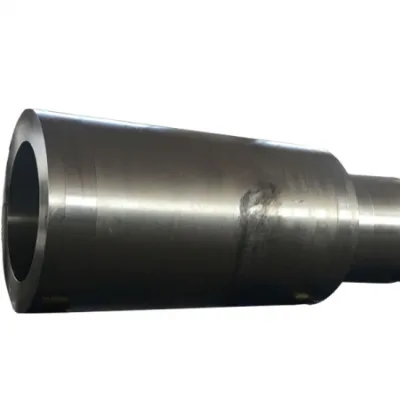
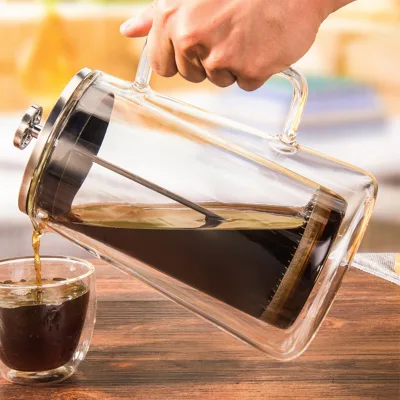


Factory Supply Press Fit Ball Plunger Plastic / Steel /Brass/Stainless Steel
$0.12 - $0.25
MOQ: 500 Pieces


Custom Machined Brass Double Ended Press-Fit Ball Plunger Spring Plunger
$0.60 - $0.68
MOQ: 1000 Pieces


Brass Flat Head Press Fit Long Nose Spring Plunger with Standard End Force
$0.54 - $0.67
MOQ: 1000 Pieces
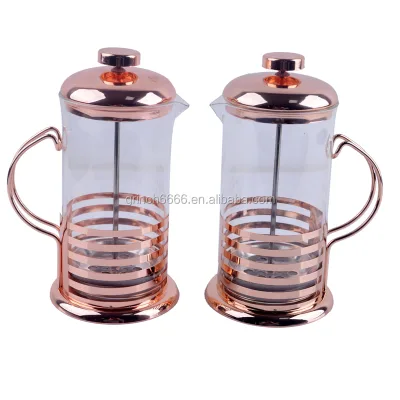
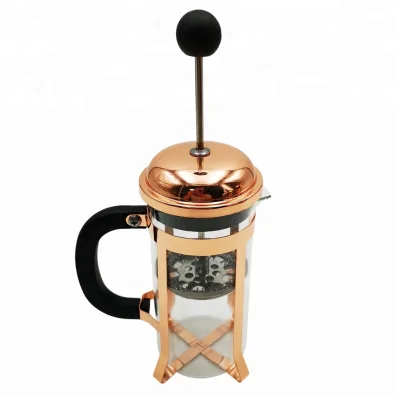


4X10mm Stainless Steel Spring Plunger Nylon Ball Press Fit Ball Plungers
$0.02 - $0.03
MOQ: 1000 Pieces

Comprehensive Sourcing Guide
Strategic Sourcing Guide for Classic Round French Press Plunger Systems
The global demand for premium coffee brewing equipment continues to rise, with the Classic Round French Press Plunger remaining a cornerstone of both commercial hospitality and home brewing markets. For procurement professionals, sourcing these specific units requires a nuanced understanding of material science, manufacturing standards, and supply chain logistics. The "classic round" designation typically implies a cylindrical vessel design optimized for even extraction, paired with a mechanical plunger assembly. This guide synthesizes available market data to provide a disciplined framework for evaluating suppliers, ensuring product compliance, and managing procurement risks without relying on unverified claims or speculative market figures.
Technical Specifications and Material Architecture
The foundational integrity of a French press plunger system lies in its material composition and structural design. Based on observed product attributes, the primary vessel material is predominantly glass, specifically borosilicate glass, which is critical for thermal shock resistance. This material allows the unit to withstand the transition from boiling water to ambient temperatures without cracking, a non-negotiable requirement for safety and longevity. The plunger mechanism itself often utilizes stainless steel or alloy steel components, ensuring the mesh filter and rod maintain structural rigidity under pressure.
The standard capacity range observed in the market includes 350ml, 600ml, 800ml, and 1000ml variants, with some suppliers offering specific configurations like 350ml, 650ml, and 1000ml. Buyers must verify that the "classic round" geometry aligns with these volume specifications, as the internal diameter directly impacts the surface area of the coffee grounds and the efficiency of the filtration process. The plunger structure is typically of the piston type, utilizing a rotary working method to ensure smooth operation. In some advanced mechanical designs, the acting way is described as double-acting, which may refer to the sealing mechanism or the dual-action of the filter mesh.
Furthermore, the manufacturing process plays a vital role in the final product quality. High-end units often employ handmade, mouth-blown techniques for the glass component, which can introduce slight variations in wall thickness but offers superior aesthetic appeal and thermal properties compared to mass-produced machine-blown glass. The metal components are frequently treated to prevent corrosion, with stainless steel being the standard for the filter mesh and rod. Procurement teams should request detailed technical sheets that explicitly confirm the alloy grade of the steel and the borosilicate rating of the glass to ensure they meet the rigorous demands of daily commercial use.
Compliance and Certification Verification
In the food and beverage equipment sector, regulatory compliance is not merely a formality but a prerequisite for market access. The observed product data indicates that suppliers often hold certifications such as LFGB and FDA, which are essential for products intended for contact with food and beverages. LFGB (German Food and Feed Code) and FDA (US Food and Drug Administration) compliance ensure that the materials used do not leach harmful substances into the coffee, particularly when exposed to high temperatures.
Additionally, some product listings reference ISOCE and GS certifications. While the specific scope of these certifications should be verified against the actual product batch, their presence suggests a commitment to international safety and quality standards. Buyers must treat these certifications as dynamic attributes; a supplier may hold them for one product line but not another. It is imperative to request valid, up-to-date certification documents for the specific model number being procured, such as the FP12, FP21, FP19, or FP27 models observed in the market.
The "Eco-Friendly" attribute frequently associated with these products often relates to the durability of the materials and the absence of single-use plastics in the packaging. However, this claim must be substantiated by the supplier's environmental management systems. Procurement teams should verify if the "Eco-Friendly" label extends to the manufacturing process itself, such as energy-efficient glass blowing or waste reduction protocols, rather than just the end-product recyclability.
Cost Drivers and Pricing Dynamics
The pricing structure for classic round French press plungers is influenced by a complex interplay of material costs, manufacturing complexity, and order volume. The observed price range in the market spans from $0.02 to $40,000, a vast disparity that reflects the difference between basic single-unit components and large-scale industrial procurement contracts. For standard commercial units, the cost is driven primarily by the thickness of the borosilicate glass, the grade of stainless steel used for the plunger, and the complexity of the sealing mechanism.
Minimum Order Quantity (MOQ) is a significant factor in cost optimization. The data indicates MOQs ranging from 1 unit to 2000 units, with specific product lines requiring 100 or 500 units as a baseline. Suppliers offering lower MOQs often charge a premium per unit to cover setup and logistics costs. Conversely, bulk orders can leverage economies of scale, reducing the per-unit cost significantly. Buyers should note that customization, such as adding a specific logo via decal, frosted, or silk-screen print, introduces additional setup costs and may increase the MOQ.
Packaging requirements also impact the final landed cost. Options range from simple bubble bags to color boxes, white boxes, and even wood packing for high-value or fragile shipments. The choice of packaging must balance protection against breakage with cost efficiency. For instance, "Color Box and Bubble Bag" is a common standard, but for international shipping, more robust "Wood Packing" might be necessary, increasing the overall cost. Buyers must calculate the total cost of ownership, including packaging, to determine the true economic viability of a supplier.
Typical Applications and Usage Scenarios
The versatility of the Classic Round French Press Plunger makes it suitable for a wide array of applications, from high-volume commercial kitchens to boutique coffee shops and individual home use. The "Kitchen" and "Coffee Maker" usage tags confirm its primary function, but the "Boiling Water: Applicable" attribute highlights its suitability for brewing methods requiring precise temperature control. The product is specifically categorized under "Coffee & Tea Sets," indicating its role in comprehensive beverage service solutions.
In commercial settings, the durability of the glass and the reliability of the piston mechanism are paramount. Units with a "Classic" style and "Unicolor" design are often preferred for their timeless aesthetic that fits various interior decors. The "Stocked" attribute suggests that some suppliers maintain inventory for immediate delivery, which is crucial for businesses with unpredictable demand. For custom orders, the "Customized" attribute allows for branding opportunities, making these units ideal for corporate gifting or hotel amenities.
The specific model numbers, such as HM-FP25 or the FP series, often correspond to specific capacity and design features. For example, the 1L, 350ml, and 650ml volume options cater to different serving sizes, from single cups to family-sized batches. Procurement teams should align their product selection with their specific operational needs, ensuring that the chosen model can handle the expected volume and frequency of use without compromising performance.
Supplier Evaluation and Origin Analysis
When evaluating potential suppliers, the geographic origin of the product is a critical data point. The observed data indicates origins in Hebei, China, and Jiangsu, Nanjing, China. These regions are known for their manufacturing capabilities in glass and metalworking. However, buyers must verify the specific factory location and its capacity to ensure it aligns with their quality expectations. The "ODM" (Original Design Manufacturer) and "OEM" (Original Equipment Manufacturer) attributes suggest that suppliers are capable of producing private-label goods, which is a significant advantage for brands looking to differentiate their product lines.
Supplier reliability is further assessed through their customization capabilities. The availability of logo crafts such as decal, frosted, and silk-screen print indicates a mature production line capable of handling complex branding requirements. Buyers should request samples of previous work to verify the quality of these customizations. Additionally, the "Handmade" and "Mouth Blown" processes suggest a higher level of craftsmanship, which may correlate with higher quality but also potentially longer lead times.
It is essential to avoid assuming that all listed products from a supplier meet every attribute. For instance, while one product line may feature "Stainless Steel" filters, another might use "Alloy Steel." Procurement teams must scrutinize the specific product specifications for each order to ensure consistency with their quality standards. The "Single" piece attribute and "Selling Units" of "Single item" suggest that some suppliers offer flexible purchasing options, which can be beneficial for small-scale testing or pilot programs.
Quality Control and Long-Term Procurement Considerations
Implementing a robust quality control (QC) strategy is essential for mitigating risks associated with glass and metal products. Given the fragility of borosilicate glass and the mechanical complexity of the plunger system, buyers should establish clear acceptance criteria. Key QC checkpoints include visual inspection for glass defects, stress testing of the plunger mechanism to ensure smooth operation, and leak testing of the seal. The "Single gross weight" of 4.000 kg for certain packages provides a baseline for verifying shipping accuracy and detecting potential damage during transit.
Long-term procurement considerations involve building a sustainable relationship with suppliers who can adapt to changing market demands. The "Customized" nature of the product line allows for future iterations, such as new colors or capacities, provided the supplier has the flexibility to adjust their production lines. Buyers should also consider the environmental impact of their procurement choices, leveraging the "Eco-Friendly" attributes to align with corporate sustainability goals.
Finally, the "Adjusted Form: Regulated Type" and "Working Method: Rotary" specifications highlight the importance of mechanical precision. Regular maintenance and replacement parts availability should be factored into the procurement strategy. Suppliers who offer comprehensive after-sales support and spare parts will add significant value to the long-term relationship. By focusing on these technical and operational details, buyers can ensure a steady supply of high-quality Classic Round French Press Plunger systems that meet both functional and aesthetic requirements.
FAQs
What certifications do classic round french press plungers typically hold?
These products commonly hold LFGB and FDA certifications to ensure food safety. Some listings also reference ISOCE and GS standards, but buyers must verify these apply to the specific model being purchased before ordering.
Which materials are used for the vessel and plunger components?
The vessel is primarily made of borosilicate glass to withstand boiling water temperatures. The plunger mechanism utilizes stainless steel or alloy steel components to ensure structural rigidity and durability during the filtration process.
Can buyers customize the logo on these coffee makers?
Yes, customization is available with options for decal, frosted, or silk-screen print logos. Buyers should note that custom orders may require a higher minimum order quantity and incur additional setup costs compared to standard stock items.
What capacity sizes are available for these glass coffee presses?
Standard capacities include 350ml, 600ml, 800ml, and 1000ml variants. Some specific models also offer 650ml options, allowing buyers to select the volume that best fits their single-serving or family-sized brewing needs.
How are these products typically packaged for shipping?
Packaging options range from color boxes with bubble bags to white boxes or wood packing for fragile shipments. The specific packaging method depends on the supplier and the order volume, with some units shipped in single bubble bags.
What is the typical minimum order quantity for these items?
Minimum order quantities vary significantly, ranging from 1 unit for samples to 2000 units for bulk orders. Specific product lines often require baseline orders of 100 or 500 units, depending on the supplier and customization level.